
Communal Violence in India: Causes, Constitutional Safeguards, Major Incidents, and Way Forward | UPSC/JKAS Internal Security & Indian Society

Communal Violence in India – causes, constitutional safeguards, major incidents, and way forward explained for UPSC and JKAS Internal Security and Indian Society preparation.

Introduction Communal violence refers to violent conflicts between communities identified primarily by religion, often resulting in loss of life, destruction of property, displacement of people, and long-term social polarization. In a diverse and plural society like India—where multiple religions, cultures, and identities coexist—maintaining communal harmony is essential for national integration, social stability, and democratic governance. … Read more
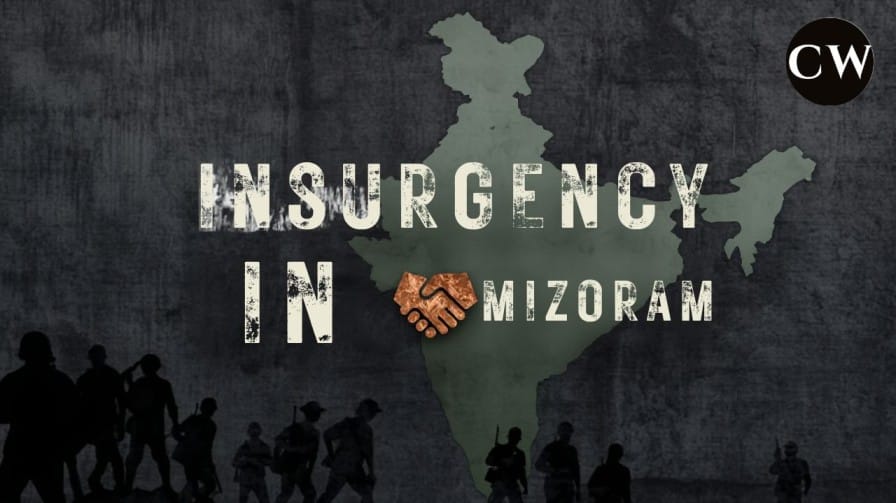

Insurgency in Mizoram: Causes, 1966 MNF Uprising, and the Mizoram Peace Accord (1986) | UPSC/JKAS Internal Security

Insurgency in Mizoram featuring the 1966 MNF uprising, causes of insurgency, and the Mizoram Peace Accord 1986 – Internal Security topic for UPSC and JKAS preparation

Introduction The insurgency in Mizoram represents one of the most important episodes in the history of internal security in Northeast India and is widely regarded as one of the most successful examples of conflict resolution in independent India. Insurgency refers to an organized armed rebellion against the authority of the state, usually driven by political, … Read more

Introduction to Internal Security: Meaning, Evolution, and Significance for UPSC/JKAS Aspirants

Introduction to Internal Security: Meaning, Evolution and Significance for UPSC and JKAS aspirants

Introduction Internal security constitutes one of the most critical pillars of national security. While external security focuses on protecting a nation from foreign aggression, internal security deals with safeguarding the country from internal threats that can undermine stability, governance, and constitutional order. In a diverse and populous democracy like India, maintaining internal security is essential … Read more

Intelligence-Led Policing and Preventive Security Governance: Building a Proactive Internal Security Framework for India

“Academic featured image showing law enforcement data analysis and security governance concepts, representing intelligence-led policing and preventive security strategies.

Introduction The nature of internal security has undergone a profound transformation in the twenty-first century. Traditional threats such as terrorism, insurgency, organised crime, and espionage continue to challenge national security, but they are now accompanied by emerging risks including cyberattacks, online radicalisation, financial crimes, disinformation campaigns, drone-enabled smuggling, and the misuse of artificial intelligence. These … Read more